A Better Way to Repair Underground Pipes
Traditional pipe replacement can mean excavation, damaged landscaping, broken concrete, and extended downtime. Trenchless technology allows us to restore many damaged piping systems from within the existing pipe—helping minimize disruption while delivering a durable, professional repair.
Not sure if trenchless repair is right for your situation? That’s what the consultation is for.
Frequently Asked Questions
*
Frequently Asked Questions *
-
Trenchless plumbing is a method of repairing or replacing underground pipes without digging up your yard, driveway, or landscaping. Using techniques like pipe bursting or cured-in-place pipe (CIPP) lining, plumbers can access damaged pipes through small access points, minimizing disruption to your property while restoring your plumbing system to full function.
-
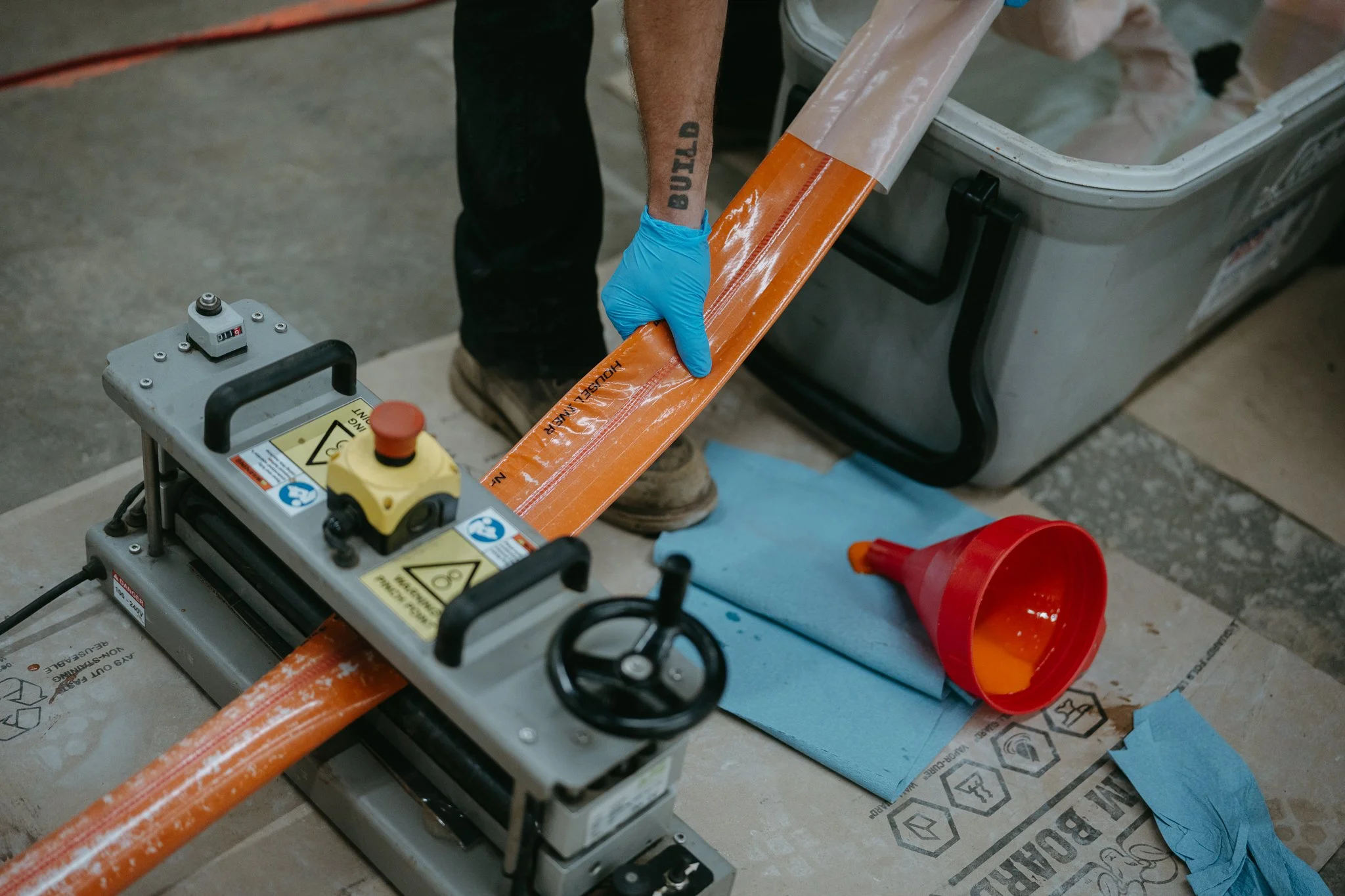
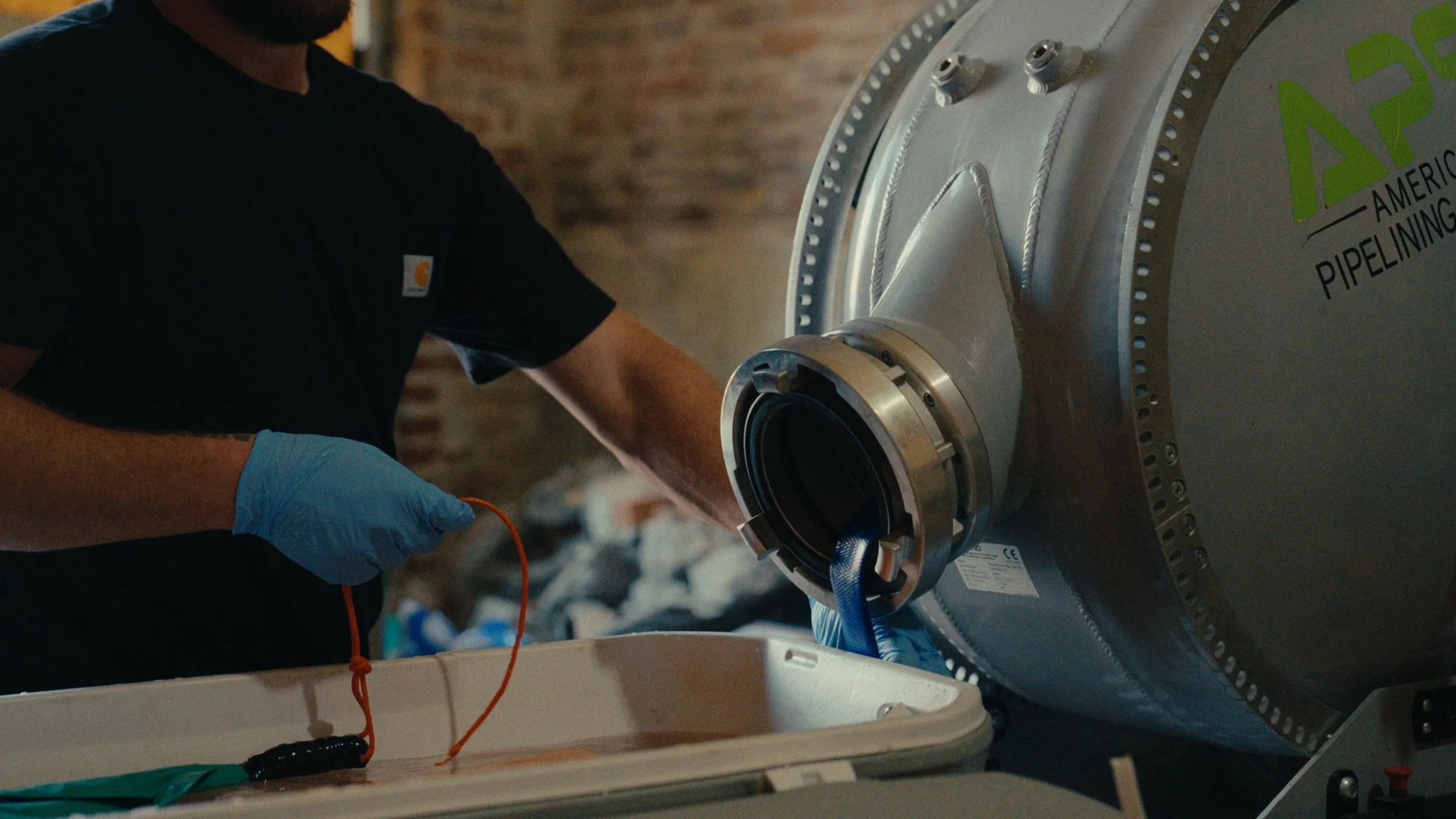
There are two main methods: pipe lining and pipe bursting. Pipe lining involves inserting a flexible liner coated in resin into the damaged pipe, which is then cured (often with heat or UV light) to form a smooth, durable new pipe within the old one. Pipe bursting involves pulling a new pipe through the old one while simultaneously breaking apart and displacing the damaged pipe. Both methods typically require only small access points rather than a full trench.
-
While the per-foot cost of trenchless repair can sometimes be higher than traditional digging, the total project cost is often comparable or lower once you factor in savings on landscaping restoration, driveway or sidewalk repair, and labor for excavation and backfilling. It also typically results in a faster completion time, which can further reduce overall costs.
-
Most trenchless repairs can be completed in a single day, depending on the length and condition of the pipe being repaired. This is significantly faster than traditional excavation methods, which can take several days to weeks when you include digging, repair, and restoring the landscape or hardscape afterward.
-
Trenchless methods can address a wide range of issues, including cracked or broken pipes, root intrusion, corrosion, pipe misalignment, and leaks. It's commonly used for sewer lines, water lines, and drain pipes. However, severely collapsed pipes or pipes with major structural issues may still require traditional excavation — we can assess your specific situation to recommend the best approach.